
Selling Land in Mississippi: 5 Things You Must Know Before You List (2025 Edition)

Selling land in Mississippi can be a rewarding process, but it also comes with unique challenges compared to selling a home or commercial property. Land buyers often have different needs, and sellers must prepare accordingly to attract serious offers. Whether you’re selling farmland, timberland, recreational acreage, or a residential lot, understanding the essentials will make the process smoother and more profitable.
In this 2025 edition guide, we’ll cover five critical things you must know before listing your land in Mississippi. By applying these insights, you’ll be better equipped to market your property effectively and achieve a successful sale.
Step 1: Understand Mississippi’s Land Market
Before listing your property, it’s essential to research local demand:
- Timber & Agricultural Land: Mississippi has over 19 million acres of forest, making timberland a hot market.
- Recreational & Rural Lots: Hunting and fishing properties often attract out-of-state buyers.
- Residential Lots: Land near cities like Jackson, Gulfport, or Oxford may sell faster due to development demand.
💡 Tip: Search recent land sales in your county through the Mississippi Secretary of State Land Records.
Step 2: Know the Legal & Tax Requirements
- One of the first things buyers will ask about is what the land can be used for. Mississippi counties and municipalities have zoning regulations that determine whether a property is designated for agricultural, residential, commercial, or industrial use. Even in rural areas where restrictions are minimal, buyers will still want clarity. In addition to zoning, you should be aware of any deed restrictions, easements, or covenants that may affect the property. For instance:
- Is the land suitable for building a house or cabin?
- Are there restrictions on mobile homes or manufactured housing?
- Does an easement allow utility companies or neighbors access through the land?
Understanding these details will save time and prevent surprises during the negotiation process.
Key Tip: Contact your county zoning office or recorder of deeds to confirm zoning classifications and restrictions before you list.
3. Prepare Essential Property Details
Unlike selling a house, raw land requires more due diligence from buyers. They’ll want specific information before they make an offer. Gathering these details upfront can make your listing stand out:
- APN (Assessor’s Parcel Number): Identifies the property for legal and tax purposes.
- Acreage & Boundaries: Accurate survey or plat map to show property lines.
- Utilities: Availability of water, sewer, power, and internet.
- Access: Road frontage, easements, or legal right-of-way.
- Topography & Flood Zone: Buyers often want elevation maps, soil quality reports, and FEMA flood zone status.
If your property is in an area popular for hunting, fishing, or recreation, highlighting features like timber value, wildlife presence, or nearby lakes and rivers can be very appealing.
Key Tip: Consider ordering a professional survey if you don’t already have one. It provides buyers with confidence and helps avoid disputes later.
4. Create a Marketing Strategy Tailored to Land Buyers
Land buyers shop differently than homebuyers. Instead of focusing on curb appeal, they’re interested in use potential, location benefits, and long-term value. A strong marketing strategy should include:
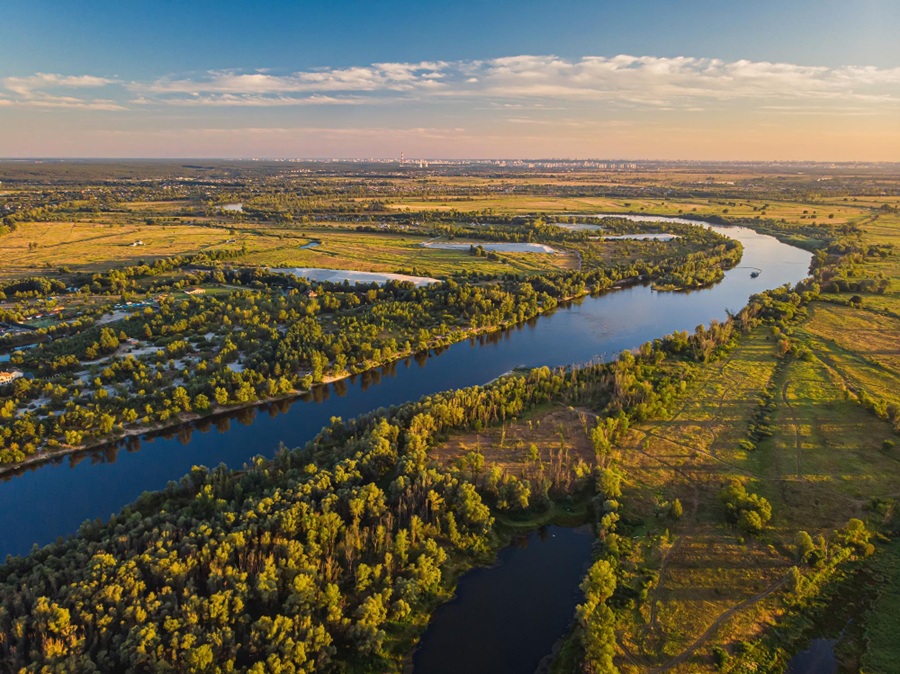
- High-quality photos and drone footage showcasing the property’s terrain, road access, and natural features.
- Detailed listing descriptions highlighting zoning, utilities, recreational potential, and nearby attractions.
- Land-specific listing platforms such as LandWatch, Land And Farm, and Lands of America, in addition to general sites like Zillow or Realtor.com.
- Social media marketing to target outdoor enthusiasts, investors, or local buyers.
Mississippi’s proximity to states like Louisiana, Arkansas, and Alabama makes cross-state marketing especially effective for recreational and hunting lands.
Key Tip: If you’re not comfortable with digital marketing, consider working with a land-specialized real estate agent who has experience selling Mississippi properties.
5. Decide Between Selling for Cash vs. Offering Owner Financing
When selling land in Mississippi, you’ll need to choose how you want to structure the deal. Many land buyers prefer cash purchases, but owner financing can open the door to more buyers and potentially earn you more money over time.
- Cash Sales: Provide faster closings and fewer risks, but you may have to accept a lower price.
- Owner Financing: Allows you to set a down payment and monthly terms, which attracts buyers who may not qualify for traditional bank loans. It also generates passive income from interest payments.
Owner financing is especially common in rural Mississippi land sales, where buyers may not have access to conventional lending options.
Key Tip: If you decide to offer financing, work with an attorney to draft a legally sound land contract or deed of trust.
Final Thoughts
Selling land in Mississippi requires preparation and knowledge of local markets, zoning, and buyer expectations. By understanding current trends, gathering essential property details, and developing a strong marketing plan, you’ll set yourself up for a successful transaction in 2025.
If you’re unsure where to start, consider consulting with a Mississippi land specialist who can guide you through pricing, marketing, and negotiations. The time you invest in preparation will pay off in faster sales and stronger offers.
External Resource for Further Reading:
- Mississippi State University Extension – Land Ownership Resources – Helpful guides on Mississippi land ownership, zoning, and management practices.
Want help selling your land?
At Offers4Land.com, we specialize in buying and marketing vacant land across the U.S. Whether you own a small residential lot or a large rural acreage, we can help you sell with ease and peace of mind. Also Find us on Facebook.
