
What Makes Raw Land Valuable? 5 Key Factors Buyers Look For

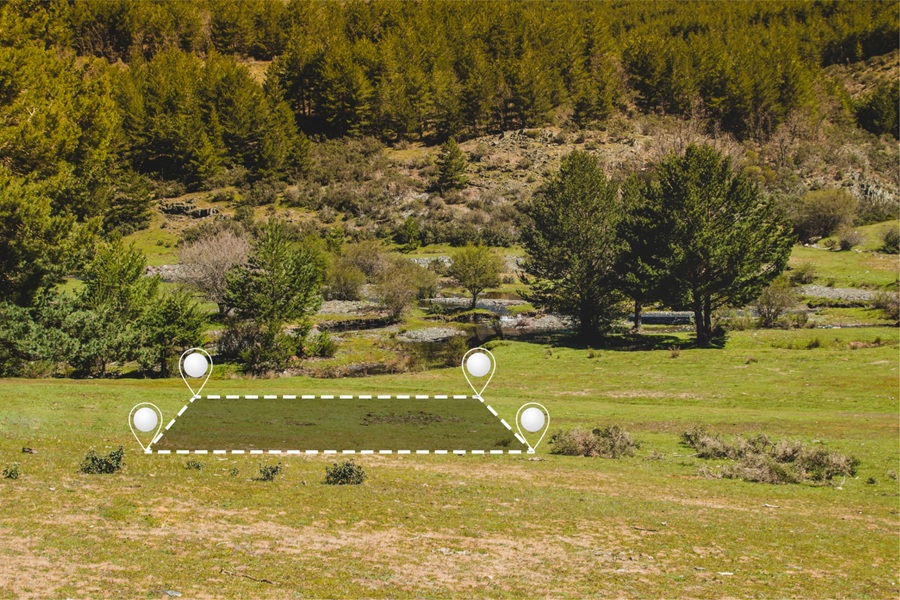
Raw land—undeveloped, untouched property—offers one of the purest forms of real estate investment. But what truly makes raw land valuable? Unlike developed properties with buildings and infrastructure already in place, raw land buyers evaluate potential based on fundamental characteristics that determine future utility and demand.
Understanding these value drivers is essential whether you are selling land on Offers4Land or exploring parcels to buy. In this article, we break down the top five factors that increase raw land value and why they matter to today’s buyers.
1. Location: The #1 Driver of Land Value
Location has always been the most influential factor in real estate—and raw land is no exception. However, for land buyers, location isn’t just about being near a city; it’s about access, growth trends, and future possibilities.
a. Proximity to Growing Cities and Infrastructure
Raw land closer to expanding urban areas tends to hold more value because it has higher development potential. Buyers often look for parcels near:
-
Major highways or future transportation corridors
-
Expanding residential zones
-
Commercial centers and job hubs
-
Airports or intermodal logistic hubs
These elements make land more attractive for residential, commercial, or mixed-use development.
Example: Land near a city planning a new highway exit can increase significantly in value—even before construction starts.
b. Desirable Neighborhood and Natural Setting
For buyers interested in recreational, residential, or agricultural use, factors like scenic views, natural features, and neighborhood desirability make a big difference. Properties near lakes, rivers, or hills often command higher prices due to lifestyle appeal.
Key takeaway: A prime location amplifies raw land value significantly—whether through access to markets, development trends, or landscape attributes.
2. Zoning and Land Use Regulations
If location tells where land is, then zoning tells what can be done with it. Zoning laws and land use regulations greatly affect raw land value because they determine allowable uses.
Types of Zoning
-
Residential: For homes, subdivisions, or apartments
-
Commercial: For retail, offices, hotels
-
Industrial: Manufacturing plants, warehouses
-
Agricultural: Farmland, ranchland uses
-
Mixed-Use: A combination of residential and commercial
Each zoning type drives different buyer interest and price points.
Why Zoning Matters to Buyers
-
Developers want land zoned for higher density residential or mixed use
-
Investors look for land with flexible zoning so they can pivot if markets change
-
Farmers seek agricultural land for long-term use and tax benefits
Before buying, buyers should verify zoning through local planning departments and understand any restrictions, such as environmental protections or easements.
👉 Learn more about zoning basics from the U.S. Department of Housing and Urban Development:
https://www.huduser.gov/portal/glossary/glossary_z.html
3. Utilities and Infrastructure Access
Raw land, by definition, lacks developed improvements—but the closer the land is to utilities, the more valuable it becomes.
Key Utilities Buyers Consider
-
Electricity: Availability and distance to nearest power lines
-
Water: Municipal water access or viable well locations
-
Sewer/Septic: Sewer line access or capacity for septic systems
-
Gas: Natural gas connectivity
-
Internet & Phone: Broadband access increasingly matters
Infrastructure Equals Lower Development Costs
Land that already has—or is near—utilities costs less to develop. Buyers estimate development costs by how far they are from:
-
Public water and sewer mains
-
Power transmission
-
Roads and bridges
For example, a residential developer might walk away from land that’s miles from the nearest sewer connection due to prohibitive hookup costs.
Tip for sellers: Highlight utility accessibility in listings—buyers often screen land based on this criterion early in their search.
4. Topography, Soil Quality, and Natural Resources
Physical characteristics of the land affect both its usability and value. Buyers evaluate topography and soil for both practical development reasons and economic uses.
Topography: Flat vs. Sloped Land
-
Flat land is usually more desirable for construction and agriculture
-
Sloped land can be ideal for scenic homesites but may require more grading and drainage work
Differences in elevation can significantly affect build costs and water flow.
Soil Quality and Drainage
Soil type matters for agriculture, foundations, and landscaping:
-
Rich loam soils are valuable for farming
-
Well-drained soils reduce building problems
-
Poor soils may need engineered solutions, increasing cost
For agricultural land buyers, soil maps from the USDA Web Soil Survey provide crucial data.
https://websoilsurvey.sc.egov.usda.gov/
Natural Resources
Some land holds inherent value due to water rights, timber, minerals, or other natural assets. Buyers interested in resource extraction or recreational uses may pay premiums for:
-
Timber stands
-
Water wells or surface water rights
-
Mineral prospects
-
Wildlife habitat
These features can add standalone value separate from development potential.
5. Market Demand and Future Growth Trends
 Ultimately, land value is shaped by buyer demand and long-term growth forecasts. While location, utilities, zoning, and physical features establish potential, market dynamics determine price.
Population Growth and Economic Activity
Areas with increasing population and economic activity drive more land demand. Buyers look at:
-
Job growth rates
-
Housing demand indicators
-
New business developments
-
Infrastructure investment
For example, land near regions with new tech hubs or expanding healthcare systems can see rising values as demand grows.
Land Supply Constraints
Scarcity increases value. In regions where developable land is limited by geography, regulations, or conservation areas, remaining parcels can command higher prices.
Interest Rates and Investment Trends
Macro factors like interest rates influence land investment. When financing is cheap, developers and investors are more active, increasing demand for raw land.
Comparative Market Analysis
Savvy buyers review comparable land sales (often referred to as “comps”) to gauge value. Sellers benefit by providing recent comps in their listing descriptions, which:
-
Justifies pricing
-
Speeds up buyer decisions
-
Enhances SEO content with relevant keywords
Putting It All Together: What Buyers Really Want
When buyers evaluate raw land, they are essentially answering the question: “What can I do with this land, and how profitable or useful will it be?”
Here’s how the five key factors interact:
| Factor | Buyer Priority | Why It Matters |
|---|---|---|
| Location | High | Determines demand and accessibility |
| Zoning | High | Dictates potential uses |
| Utilities | Medium-High | Reduces development costs |
| Topography & Soil | Medium | Impacts usability and build costs |
| Market Demand | High | Drives pricing and investment value |
Buyers often balance these elements. A parcel with slightly challenging topography may still be valuable if it’s near a booming job market with flexible zoning.
Expert Tips for Sellers on Offers4Land
If you are selling raw land on Offers4Land, optimizing your listing to reflect the value drivers above can dramatically improve buyer interest:
✅ Highlight location benefits: proximity to cities, highways, schools, hospitals, and shopping
✅ Clearly state zoning status and provide links or documents
✅ Mention utility access (water, power, sewer) even if nearby
✅ Describe topography and soil conditions honestly
✅ Include recent sales comps and market trend insights
SEO keywords that help your listing rank higher include:
-
raw land for sale
-
undeveloped land investment
-
land zoned for [use]
-
land near [city or feature]
-
affordable acreage
For best results, combine keywords naturally with compelling descriptions.
Conclusion
Raw land value isn’t determined by a single factor—it’s a combination of location, regulations, physical characteristics, and market dynamics. Buyers evaluate these elements to assess development potential, future demand, and investment returns.
Whether you’re a buyer or a seller, understanding these five key factors empowers you to make informed decisions and unlock the true value of raw land.
Want help selling your land?
At Offers4Land.com, we specialize in buying and marketing vacant land across the U.S. Whether you own a small residential lot or a large rural acreage, we can help you sell with ease and peace of mind. Also Find us on Facebook.
