
Is Vacant Land a Good Investment in 2026?

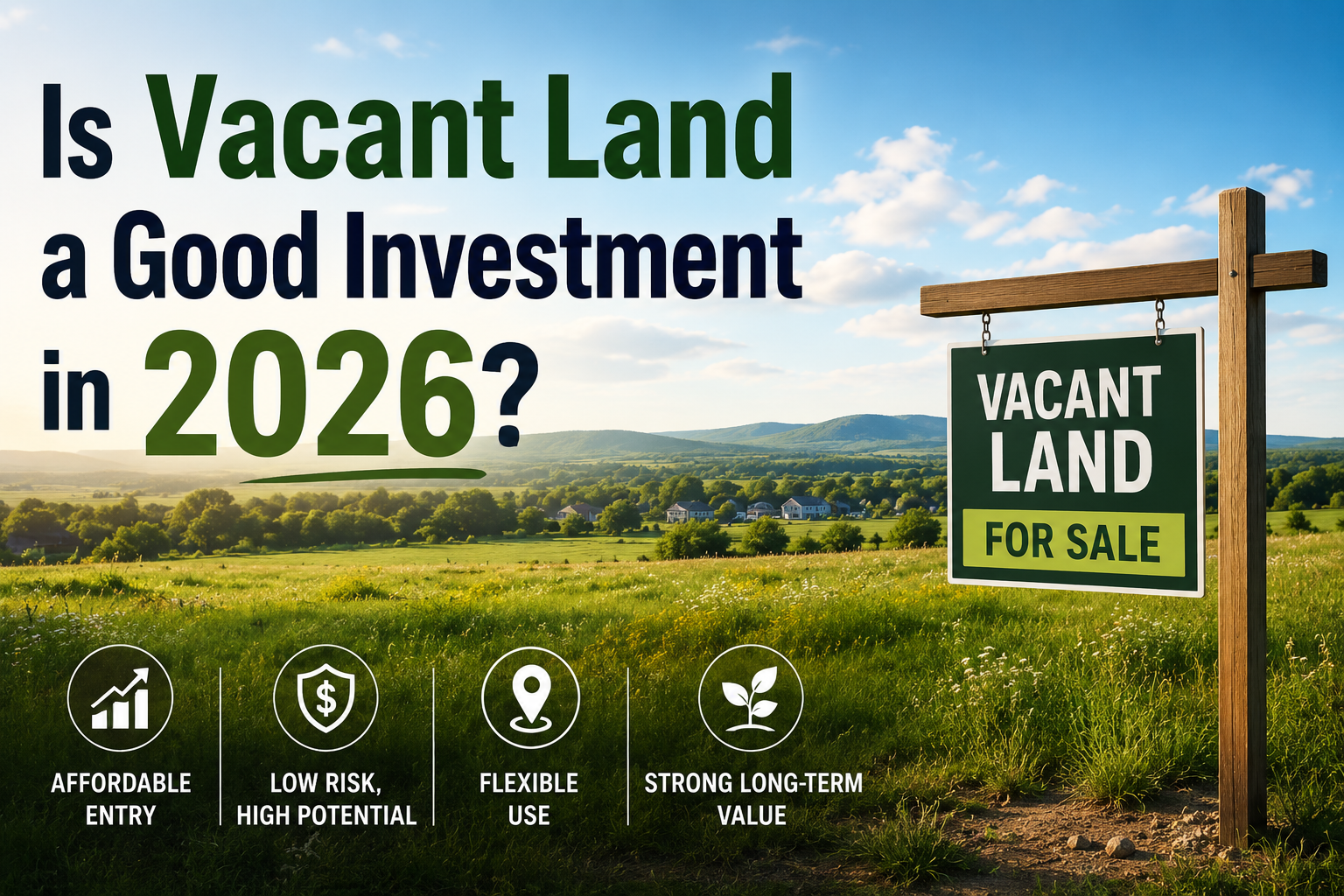
If you’re looking for a good investment that offers flexibility, lower maintenance, and long-term potential, vacant land deserves serious consideration. While many investors focus on residential or commercial real estate, undeveloped land has become increasingly attractive to people who want to diversify their portfolios, build wealth over time, or secure a property for future use.
In 2026, factors such as rising housing costs, population growth in smaller communities, remote work, and increasing demand for recreational properties continue to make vacant land an appealing option. However, like any investment, buying land requires research, planning, and an understanding of the local market.
In this guide, we’ll explore the advantages, potential risks, and key considerations to help you decide whether vacant land is the right investment for you.
Why More People Are Investing in Vacant Land
Over the past several years, vacant land has attracted a broader range of buyers. Some purchase land to build a future home, while others buy recreational property, hold land for appreciation, or simply diversify their investments.
Several trends are contributing to this growing interest:
- Higher home prices have encouraged buyers to purchase land now and build later.
- Remote work has made rural and small-town living more practical.
- Investors are seeking assets that require less ongoing maintenance than rental properties.
- Population growth in many suburban and rural counties is creating long-term demand for land.
Unlike developed real estate, vacant land generally doesn’t require tenants, repairs, plumbing maintenance, or regular renovations.
Advantages of Investing in Vacant Land
1. Lower Maintenance
One of the biggest benefits of owning vacant land is its simplicity.
Unlike rental homes, vacant land doesn’t require:
- Roof repairs
- HVAC replacements
- Plumbing maintenance
- Tenant management
- Property renovations
Many owners simply pay annual property taxes while holding the property.
2. Lower Purchase Prices
Vacant land is often significantly less expensive than developed real estate.
Many rural parcels across the United States can still be purchased for a fraction of the cost of a house, making land investing accessible to first-time buyers.
This lower entry cost allows investors to diversify across multiple properties instead of putting all their capital into one investment.
3. Long-Term Appreciation
Although appreciation isn’t guaranteed, land located in growing areas often increases in value as development expands.
Factors that may contribute to appreciation include:
- New highways
- Expanding cities
- Population growth
- Commercial development
- Improved utilities
- New schools and businesses
Researching future development plans can help identify promising investment opportunities.
The U.S. Census Bureau provides valuable population and demographic information that investors can use when evaluating markets:
https://www.census.gov
4. Flexible Future Uses
Vacant land offers flexibility that many other investments don’t.
Depending on local zoning and restrictions, owners may eventually use their property for:
- Building a home
- Vacation cabins
- Agricultural use
- Recreational activities
- Long-term investment
- Future resale
Always verify zoning regulations with the local county before purchasing.
5. Fewer Ongoing Expenses
Vacant land generally has lower carrying costs than developed properties.
Typical expenses may include:
- Property taxes
- HOA fees (if applicable)
- Occasional clearing or maintenance
Without tenants or buildings, unexpected repair costs are often much lower.
Risks to Consider
While vacant land offers many advantages, it also comes with potential challenges.
Limited Cash Flow
Unlike rental properties, most vacant land does not generate monthly income unless it’s leased for farming, recreation, or other approved uses.
Many investors purchase land expecting long-term appreciation rather than immediate income.
Financing Can Be Different
Traditional banks sometimes have stricter lending requirements for raw land.
Fortunately, many sellers offer owner financing, making land ownership more accessible to buyers who may not qualify for conventional loans.
Always review financing terms carefully before purchasing.
Due Diligence Is Essential
Before buying land, investigate important details such as:
- Property boundaries
- Legal access
- Zoning
- Utilities
- Flood zones
- Property taxes
- HOA requirements
- Easements
- Building restrictions
Doing proper research helps avoid costly surprises later.
The Federal Emergency Management Agency (FEMA) provides official flood maps:
https://msc.fema.gov

What Makes a Good Land Investment?
Not every parcel is a great investment.
Look for properties with several positive characteristics:
Road Access
Legal and practical road access significantly increases usability and resale potential.
Growing Areas
Communities experiencing population or economic growth often create stronger long-term demand.
Clear Title
Purchasing through a reputable title company helps ensure ownership is transferred properly and reduces legal risks.
Reasonable Property Taxes
High annual taxes can reduce long-term returns.
Research tax history before purchasing.
Desirable Location
Location remains one of the most important factors in real estate.
Consider proximity to:
- Highways
- Lakes
- Parks
- Small towns
- Recreational attractions
- Employment centers
Is Rural Land Still Worth Buying?
Absolutely—provided you buy the right property.
Many buyers today intentionally seek rural locations because they offer:
- Greater privacy
- Outdoor recreation
- Future homesites
- Camping opportunities (where permitted)
- Lower prices
Small towns throughout the Southeast and Midwest continue attracting buyers looking for affordable property.
Vacant Land vs. Rental Property
| Vacant Land | Rental Property |
|---|---|
| Lower maintenance | Higher maintenance |
| No tenants | Tenant management required |
| Lower purchase price | Higher purchase price |
| Lower repair costs | Regular repairs |
| Typically lower insurance costs | Higher insurance costs |
| Usually appreciation-focused | Appreciation plus rental income |
Both investments have advantages. The right choice depends on your financial goals.
Tips Before Buying Vacant Land
Before making an offer:
- Visit the property whenever possible.
- Review county zoning regulations.
- Verify legal access.
- Understand utility availability.
- Check flood maps.
- Confirm property taxes.
- Ask whether a survey has been completed.
- Review any deed restrictions.
- Work with a reputable title company.
Taking these steps can help you make a more informed investment decision.
Is 2026 a Good Time to Buy?
For many buyers, 2026 presents attractive opportunities.
While real estate markets continue evolving, undeveloped land remains one of the few asset classes where affordable properties can still be found in many parts of the United States.
Whether you’re planning to build in the future, invest for appreciation, or simply own a tangible asset, vacant land offers flexibility that many other investments cannot match.
As always, focus on buying quality property rather than simply purchasing the cheapest parcel available.
Final Thoughts
So, is vacant land a good investment in 2026?
For many investors, the answer is yes—provided they perform thorough due diligence and choose properties in desirable locations with long-term potential.
Vacant land offers several advantages, including lower maintenance, fewer ongoing expenses, and flexibility for future use. While it may not generate immediate income like rental property, it can serve as a valuable long-term investment when purchased wisely.
If you’re considering buying land, take the time to research each property carefully, understand local regulations, and work with experienced professionals throughout the purchase process.
Explore Affordable Land Opportunities
If you’re looking for affordable vacant land across the United States, Offers4Land.com regularly features properties with flexible owner financing options in many areas.
Browse our latest listings and educational resources to learn more about buying land with confidence.
Helpful Resources
- U.S. Census Bureau (Population Data): https://www.census.gov
- FEMA Flood Map Service Center: https://msc.fema.gov
- USDA Natural Resources Conservation Service (Soil Maps): https://websoilsurvey.nrcs.usda.gov
Disclaimer: This article is for informational purposes only and should not be considered legal, financial, or investment advice. Always conduct your own due diligence and consult qualified professionals before purchasing real estate.
Ready to Sell Your Land the Easy Way?
Contact us today to discover how we can help you get the best offer quickly and easily.
Stay connected with us on Facebook for tips, updates, and success stories from other land sellers.
